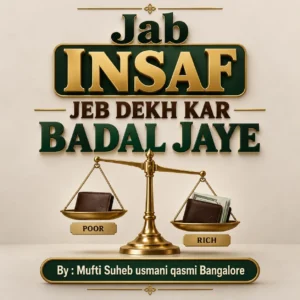
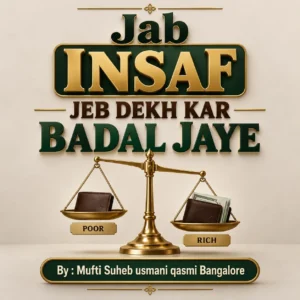
Ek ghareeb waiter ke haath se paani ka glass gir gaya.
Mehmaan foran bhadak utha:
“Dekh kar kaam nahin kar sakte? Yeh kya badtameezi hai? Tumhein naukri se nikalwana chahiye!”
Wohi shakhs kuch der baad mezbaan ke sahibzade ko dekhta hai.
Bachcha daurte hue aata hai aur us ke haath se juice ka glass gir jaata hai.
Farsh par wohi gandagi, nuqsaan wohi, ghalati wohi.
Lekin ab lehja badal gaya:
“Arey beta! Koi baat nahin, hota rehta hai.”
Yeh manzar insaan ko ek sawaal deta hai:
Kya hamara ghussa waqai ghalati par tha?
Agar ghalati par tha to dono martaba hona chahiye tha, aur agar insaan par tha to dono martaba nahin hona chahiye tha.
Lekin agar ghussa sirf kamzor par nikla to phir humein plate, glass aur juice se zyada apne dil ko dekhne ki zaroorat hai.
Farq sirf itna tha ke pehli martaba ghalati karne wala kamzor tha, doosri martaba ghalati karne wala taaqatwar.
Yahin insaan ko apne dil ke andar ek aisa aaina rakhna chahiye jis mein chehra nahin, kirdaar nazar aaye.
🌑 Agar ghareeb ki ghalati par aap ka blood pressure foran barh jaata hai, lekin ameer ki wohi ghalati dekh kar aap ka blood pressure bilkul normal rehta hai, to sirf blood pressure ka ilaaj na karaaiye, apne andar maujood munaafiqat ka bhi ilaaj karaaiye.
Yeh jumla sirf ek sakht tanbeeh nahin balki hamare muashrati rawaiyon ka ek nihayat gehra aaina hai.
Munaafiqat se muraad yahan nifaaq-e-‘itiqaadi nahin balki rawaiye ka dohrapan, mi‘yaar ka badal jaana aur taaqat-o-hai‘siyat dekh kar insaaf ke paimaane tabdeel kar lena hai.
Insaan agar kamzor ke liye ek qanoon aur taaqatwar ke liye doosra qanoon rakhta hai to masla sirf us ke ghusse ka nahin, us ke insaaf ke bigar jaane ka hai.
“Aye imaan walo! Insaaf par mazbooti se qaayam raho, Allah ke liye gawaahi dene wale bano, agarche woh gawaahi khud tumhare khilaaf ho ya waalidain aur rishtedaaron ke khilaaf. Khwaah woh shakhs maaldaar ho ya ghareeb, Allah dono ka zyada khairkhwaah hai. Lehaza khwaahish-e-nafs ki pairwi na karo ke insaaf se hat jao.”
Surah An-Nisaa: 135
Qur’an ne sirf yeh nahin kaha ke insaaf karo, balki ghani aur faqeer dono ka naam lekar hamare dil ke us chhupe hue ta‘assub ko pakda hai.
🛍️ Bazaar ka ek mamooli sa manzar
Sakht garmi hai.
Sarak ke kinaare ek ghareeb sabzi farosh baitha hai. Paseene se us ka kapra bheeg raha hai.
Aap sabzi lene rukte hain. Woh qeemat batata hai:
“Sahib, bees rupay kilo.”
Aap kehte hain:
“Pandrah mein de do.”
Woh kehta hai:
“Sahib, bahut kam bachta hai, athaarah de dein.”
Phir behas shuru ho jaati hai. Paanch das rupay ke liye kai minute guftagu.
Aur agar sabzi farosh thak kar zara oonchi aawaaz mein keh de:
“Sahib, nahin banta!”
To foran ghussa:
“Tumhein baat karne ki tameez nahin?”
Lekin yehi aadmi jab AC wale shopping mall mein jaata hai to ek branded shirt dekhta hai.
Qeemat shaayad paanch hazaar rupay hai. Bill mein koi mamooli ghalati bhi ho jaaye to woh muskura kar kehta hai:
“Okay, no problem.”
Wahan paanch rupay ki khaatir izzat-e-nafs nahin todi jaati, yahan paanch rupay ke liye ek ghareeb aadmi ki izzat kyun tod di gayi?
Kya masla waqai qeemat thi?
Ya masla yeh tha ke saamne wala kamzor tha?
⚖️ Ameer ke saamne mi‘yaar kyun badal jaata hai?
Rasoolullah ﷺ ne ek nihayat sakht waaqe‘e mein ummat ko is beemaari ki jad dikha di.
Bani Makhzoom ki ek ba-asar aurat ne chori ki.
Quraish pareshaan ho gaye. Socha gaya ke Rasoolullah ﷺ se sifaarish kaun kare?
Hazrat Usaamah bin Zaid رضی اللہ عنہ ne sifaarish ki.
Rasoolullah ﷺ ne naaraazgi zaahir farmaai aur phir logon ko mukhatab karke farmaya ke pichhli qaumein is liye tabaah hui hain ke jab un ka koi mu‘azziz shakhs chori karta to use chhod dete, aur jab koi kamzor chori karta to us par hadd qaayam karte.
“Allah ki qasam! Agar Muhammad ki beti Faatimah bhi chori karti to main us ka haath kaat deta.”
Yahan zara thehriye.
Nabi Kareem ﷺ ne ghareeb ke liye sakhti aur ameer ke liye narmi ko mu‘aashrati tabaahi ka sabab qaraar diya.
Yaani Islam yeh nahin dekhta ke aadmi ki jeb kitni badi hai.
Islam yeh dekhta hai ke haq kya hai.
🌑 Agar ghareeb ki ghalati par aap ka blood pressure foran barh jaata hai, lekin ameer ki wohi ghalati dekh kar aap ka blood pressure bilkul normal rehta hai, to sirf blood pressure ka ilaaj na karaaiye, apne andar maujood munaafiqat ka bhi ilaaj karaaiye۔
جب انصاف جیب دیکھ کر بدل جائے
ایک پرتعیش تقریب ہے۔
ایک غریب ویٹر کے ہاتھ سے پانی کا گلاس گر گیا۔
مہمان فوراً بھڑک اٹھا:
“دیکھ کر کام نہیں کرسکتے؟ یہ کیا بدتمیزی ہے؟ تمہیں نوکری سے نکلوانا چاہیے!”
وہی شخص کچھ دیر بعد میزبان کے صاحبزادے کو دیکھتا ہے۔
بچہ دوڑتے ہوئے آتا ہے اور اس کے ہاتھ سے جوس کا گلاس گر جاتا ہے۔
فرش پر وہی گندگی، نقصان وہی، غلطی وہی۔
لیکن اب لہجہ بدل گیا:
“ارے بیٹا! کوئی بات نہیں، ہوتا رہتا ہے۔”
یہ منظر انسان کو ایک سوال دیتا ہے:
کیا ہمارا غصہ واقعی غلطی پر تھا؟
اگر غلطی پر تھا تو دونوں مرتبہ ہونا چاہیے تھا، اور اگر انسان پر تھا تو دونوں مرتبہ نہیں ہونا چاہیے تھا۔
لیکن اگر غصہ صرف کمزور پر نکلا تو پھر ہمیں پلیٹ، گلاس اور جوس سے زیادہ اپنے دل کو دیکھنے کی ضرورت ہے۔
فرق صرف اتنا تھا کہ پہلی مرتبہ غلطی کرنے والا کمزور تھا، دوسری مرتبہ غلطی کرنے والا طاقتور۔
یہیں انسان کو اپنے دل کے اندر ایک ایسا آئینہ رکھنا چاہیے جس میں چہرہ نہیں، کردار نظر آئے۔
🌑 اگر غریب کی غلطی پر آپ کا بلڈ پریشر فوراً بڑھ جاتا ہے، لیکن امیر کی وہی غلطی دیکھ کر آپ کا بلڈ پریشر بالکل نارمل رہتا ہے، تو صرف بلڈ پریشر کا علاج نہ کرائیے، اپنے اندر موجود منافقت کا بھی علاج کرائیے۔
یہ جملہ صرف ایک سخت تنبیہ نہیں بلکہ ہمارے معاشرتی رویوں کا ایک نہایت گہرا آئینہ ہے۔
منافقت سے مراد یہاں نفاقِ اعتقادی نہیں بلکہ رویے کا دوہرا پن، معیار کا بدل جانا اور طاقت و حیثیت دیکھ کر انصاف کے پیمانے تبدیل کرلینا ہے۔
انسان اگر کمزور کے لیے ایک قانون اور طاقتور کے لیے دوسرا قانون رکھتا ہے تو مسئلہ صرف اس کے غصے کا نہیں، اس کے انصاف کے بگڑ جانے کا ہے۔
“اے ایمان والو! انصاف پر مضبوطی سے قائم رہو، اللہ کے لیے گواہی دینے والے بنو، اگرچہ وہ گواہی خود تمہارے خلاف ہو یا والدین اور رشتہ داروں کے خلاف۔ خواہ وہ شخص مال دار ہو یا غریب، اللہ دونوں کا زیادہ خیرخواہ ہے۔ لہٰذا خواہش نفس کی پیروی نہ کرو کہ انصاف سے ہٹ جاؤ۔”
سورۃ النساء: 135
قرآن نے صرف یہ نہیں کہا کہ انصاف کرو، بلکہ غنی اور فقیر دونوں کا نام لے کر ہمارے دل کے اس چھپے ہوئے تعصب کو پکڑا ہے۔
🛍️ بازار کا ایک معمولی سا منظر
سخت گرمی ہے۔
سڑک کے کنارے ایک غریب سبزی فروش بیٹھا ہے۔ پسینے سے اس کا کپڑا بھیگ رہا ہے۔
آپ سبزی لینے رکتے ہیں۔ وہ قیمت بتاتا ہے:
“صاحب، بیس روپے کلو۔”
آپ کہتے ہیں:
“پندرہ میں دے دو۔”
وہ کہتا ہے:
“صاحب، بہت کم بچتا ہے، اٹھارہ دے دیں۔”
پھر بحث شروع ہوجاتی ہے۔ پانچ دس روپے کے لیے کئی منٹ گفتگو۔
“تم لوگ بہت مہنگا بیچتے ہو! پانچ روپے بھی زیادہ مانگ رہے ہو!”
اور اگر سبزی فروش تھک کر ذرا اونچی آواز میں کہہ دے:
“صاحب، نہیں بنتا!”
تو فوراً غصہ:
“تمہیں بات کرنے کی تمیز نہیں؟”
لیکن یہی آدمی جب AC والے شاپنگ مال میں جاتا ہے تو ایک برانڈڈ شرٹ دیکھتا ہے۔
قیمت شاید پانچ ہزار روپے ہے۔ بل میں کوئی معمولی غلطی بھی ہو جائے تو وہ مسکرا کر کہتا ہے:
“Okay, no problem.”
وہاں پانچ روپے کی خاطر عزت نفس نہیں توڑی جاتی، یہاں پانچ روپے کے لیے ایک غریب آدمی کی عزت کیوں توڑ دی گئی؟
کیا مسئلہ واقعی قیمت تھی؟
یا مسئلہ یہ تھا کہ سامنے والا کمزور تھا؟
⚖️ امیر کے سامنے معیار کیوں بدل جاتا ہے؟
رسول اللہ ﷺ نے ایک نہایت سخت واقعے میں امت کو اس بیماری کی جڑ دکھا دی۔
بنی مخزوم کی ایک بااثر عورت نے چوری کی۔
قریش پریشان ہوگئے۔ سوچا گیا کہ رسول اللہ ﷺ سے سفارش کون کرے؟
حضرت اسامہ بن زید رضی اللہ عنہ نے سفارش کی۔
رسول اللہ ﷺ نے ناراضی ظاہر فرمائی اور پھر لوگوں کو مخاطب کرکے فرمایا کہ پچھلی قومیں اس لیے تباہ ہوئیں کہ جب ان کا کوئی معزز شخص چوری کرتا تو اسے چھوڑ دیتے، اور جب کوئی کمزور چوری کرتا تو اس پر حد قائم کرتے۔
“اللہ کی قسم! اگر محمد کی بیٹی فاطمہ بھی چوری کرتی تو میں اس کا ہاتھ کاٹ دیتا۔”
یہاں ذرا ٹھہریے۔
نبی کریم ﷺ نے غریب کے لیے سختی اور امیر کے لیے نرمی کو معاشرتی تباہی کا سبب قرار دیا۔
یعنی اسلام یہ نہیں دیکھتا کہ آدمی کی جیب کتنی بڑی ہے۔
اسلام یہ دیکھتا ہے کہ حق کیا ہے۔
🌑 اگر غریب کی غلطی پر آپ کا بلڈ پریشر فوراً بڑھ جاتا ہے، لیکن امیر کی وہی غلطی دیکھ کر آپ کا بلڈ پریشر بالکل نارمل رہتا ہے، تو صرف بلڈ پریشر کا علاج نہ کرائیے، اپنے اندر موجود منافقت کا بھی علاج کرائیے۔
When Justice Changes According to the Pocket
It is a grand and expensive function.
A poor waiter drops a glass of water.
The guest immediately loses his temper:
“Can’t you do your work properly? What kind of bad manners is this? You should be fired!”
A little later, the same man sees the host’s son.
The child comes running and accidentally drops a glass of juice.
The mess on the floor is the same.
The loss is the same.
The mistake is the same.
But now the tone changes:
“Oh, son! It’s okay. These things happen.”
This small scene leaves us with a very serious question:
Were we really angry because of the mistake?
If the mistake was the reason, the anger should have been the same both times.
And if the anger was because of the person, then it should not have been there both times.
But if our anger comes out only on the weak, then perhaps we need to look at our own heart more carefully than we look at the plate, the glass, or the spilled juice.
The only difference was this:
The person who made the mistake the first time was weak.
The person who made the same mistake the second time was powerful.
This is where a person needs to keep a mirror inside his heart—a mirror in which he does not see his face, but his character.
🌑 If your blood pressure shoots up the moment a poor person makes a mistake, but stays perfectly normal when a rich person makes the very same mistake, then do not treat only your blood pressure.
Treat the hypocrisy hidden inside your own heart as well.
This is not just a harsh warning. It is a deep mirror held up to the way we behave in society.
Here, hypocrisy does not mean disbelief or the kind of hypocrisy that takes a person out of faith.
It means having two different standards, changing your behaviour according to the person in front of you, and changing the scale of justice when you see someone’s money, power, or position.
If a person keeps one rule for the weak and another rule for the powerful, then the problem is not only his anger.
The problem is that his sense of justice has started to become crooked.
“O believers! Stand firmly for justice and give witness for Allah, even if it is against yourselves, your parents, or your close relatives. Whether the person is rich or poor, Allah is closer to both of them. So do not follow your own desires and turn away from justice.”
Surah An-Nisa: 135
The Qur’an did not simply tell us to be just.
It named both the rich and the poor, exposing the hidden bias that can quietly grow inside our hearts.
🛍️ A Simple Scene From the Market
It is a very hot day.
A poor vegetable seller is sitting by the roadside. His clothes are wet with sweat.
You stop to buy vegetables. He tells you the price:
“Sir, twenty rupees a kilo.”
You say:
“Give it for fifteen.”
He replies:
“Sir, I hardly make anything. Please give eighteen.”
And then the argument begins.
For five or ten rupees, you spend several minutes arguing.
“You people sell everything so expensive! You are asking even five rupees extra!”
And if the vegetable seller, tired and helpless, speaks a little loudly and says:
“Sir, I cannot sell it for that price!”
You immediately get angry:
“Don’t you know how to talk to people?”
But the same person later walks into an air-conditioned shopping mall and sees a branded shirt.
The price may be five thousand rupees.
Even if there is a small mistake in the bill, he simply smiles and says:
“Okay, no problem.”
There, he does not hurt someone’s self-respect over five rupees.
But here, for those same five rupees, why did he hurt the dignity of a poor man?
Was the real problem the price?
Or was the real problem that the person standing before him was weak?
⚖️ Why Does the Standard Change in Front of the Rich?
The Messenger of Allah ﷺ showed the Ummah the root of this sickness through a very serious incident.
A woman from the respected Banu Makhzum tribe committed theft.
The people of Quraysh became worried.
They started thinking: Who could speak to the Messenger of Allah ﷺ on her behalf?
Usamah ibn Zayd رضي الله عنهما was asked to make a recommendation.
The Messenger of Allah ﷺ became upset.
He then addressed the people and told them that earlier nations were destroyed because when an honoured and powerful person among them committed theft, they let him go, but when a weak person committed theft, they punished him.
“By Allah! Even if Fatimah, the daughter of Muhammad, were to steal, I would cut off her hand.”
Stop here for a moment.
The Prophet ﷺ declared that being harsh with the poor and weak while being soft with the rich and powerful is a road to the destruction of society.
Islam does not look at how big a person’s pocket is.
Islam looks at what is right.
🌑 If your blood pressure shoots up the moment a poor person makes a mistake, but stays perfectly normal when a rich person makes the very same mistake, then do not treat only your blood pressure.
Treat the hypocrisy hidden inside your own heart as well.