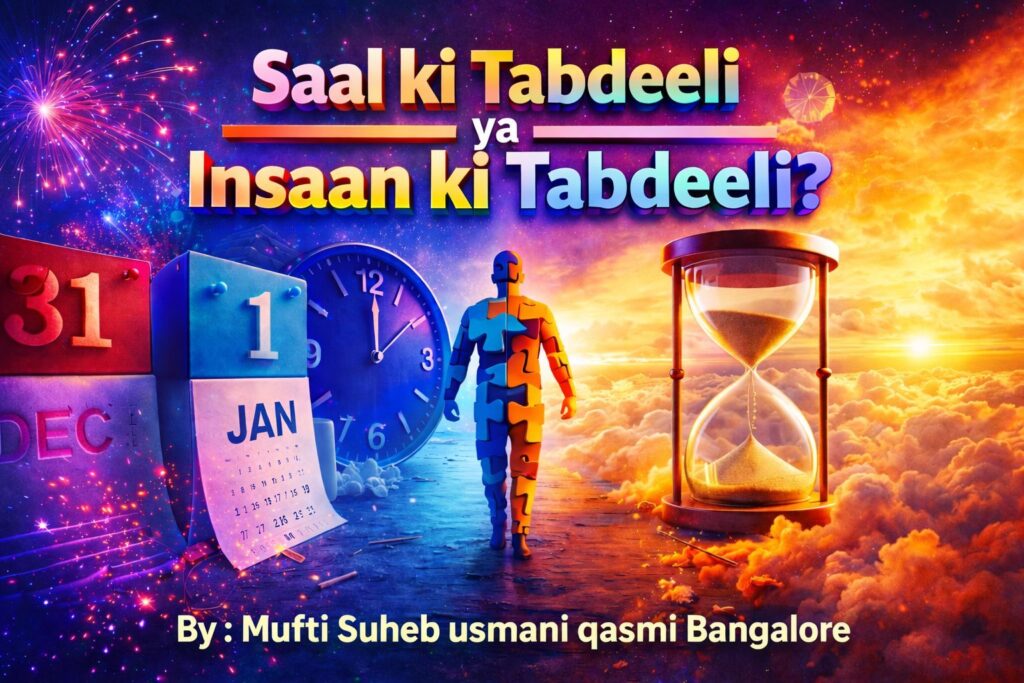
Tawakkul, Fitrat aur Insaani Ikhtiyaar ka Fikri Taqaabul
Insaan ne waqt ko samajhne aur munazzam karne ke liye mukhtalif adwaar mein ghanton, dinon, hafton, maheenon aur saalon ki taqseem ki. Isi zarurat ke taht duniya mein mukhtalif calendar raaij hue:
Isawi, Hijri, Cheeni, Bikrami, Irani, Zara‘i, Ta‘leemi aur Tijarati calendar waghera.
Lekin sawaal yeh nahi ke calendar kitne hain, asal sawaal yeh hai ke kaunsa nizaam fitrat, tawakkul aur adl-e-insaani ke zyada qareeb hai?
Aur naya saal nahi, naya insaan banne ki zarurat hai.
⸻
Shamsi Nizaam: Insaani Islaahaat aur Musalsal Tarmim ka Mohtaaj
Isawi ya Gregorian calendar shamsi nizaam par qaim hai, jis ki bunyaad zameen ki sooraj ke gird gardish par hai. Bazaahir yeh nizaam munazzam nazar aata hai, magar haqeeqat yeh hai ke:
• Shamsi saal 365 din aur taqreeban 6 ghante par mushtamil hota hai
• Insaan ne is kami ko poora karne ke liye leap year ijad kiya
• February jaise maheene mein ghair-fitri radd o badal kiya gaya
• Sadiyon mein baar baar is calendar mein tarmim o islaah ki gayi
Yeh sab is baat ka saboot hai ke shamsi nizaam insaani mudakhlat ka mohtaaj hai aur fitri tawazan khud barqarar nahi rakh pata.
⸻
Isawi Calendar ki I‘tiqaadi Kharabiyaan
Isawi calendar Hazrat Isa (Alaihis Salaam) ki taraf mansoob kiya jata hai aur (A.D) ko Anno Domini kaha jata hai, jise baaz log After Death bhi samajhte hain.
Yeh dono ta‘beerein Islami aqeede ke khilaaf hain, kyun ke:
• Qur’an ke mutabiq Hazrat Isa (A.S) ko zinda aasman par utha liya gaya
• Un ki wafaat waaqe‘ nahi hui
• Woh qiyamat se pehle dobara tashreef laayenge
Lihaza Hazrat Isa (A.S) ki wafaat ya paidaish ko bunyaad bana kar waqt ki ginti karna fikri aur i‘tiqaadi maghlata hai.
⸻
Maheenon ke Naam: Shirk aur Tawahhum Parasti ki Jhalak
Isawi calendar ke kai maheene:
• Roomi devi devtaon
• Mushrikana aqaaid
• Ya qadeem badshahon
ke naam par hain, jaise:
• January (Janus devta)
• March (Mars devta)
• May (Devi Maya)
• July / August (Roomi badshah)
Agarche Musalman in naamon ko shirki niyyat se istemal nahi karte, magar ghair-shu‘oori wabastagi baharhaal ek fikri kamzori hai.
⸻
Qamri Nizaam: Fitri, Tawakkuli aur Hamah-Geer
Is ke muqaable mein qamri nizaam:
• Sirf chaand ki gardish par qaim hai
• Is mein kisi insaani tarmim ki zarurat nahi
• Na hisaabi pecheedgi hai
• Na ‘ilmi ya technical ijara-daari
Har insaan — khwah an-parh ho ya ‘aalim, shehri ho ya dehaati — chaand dekh kar maheena muta‘ayyan kar sakta hai.
Aaj almia yeh hai ke:
• Musalman angrezi maheene jaanta hai
• Magar Islami maheene nahi
• Muharram aata hai, khabar nahi
• Ramzan aata hai, tayyari nahi
Yeh sirf calendar ka masla nahi, shanakht ka masla hai.
⸻
Natija
Qamri nizaam:
• Fitri hai
• Tawakkuli hai
• Musawi hai
• Aalami hai
• Aur khalis Islami hai
Shamsi nizaam:
• Insaani tarmim ka mohtaaj
• I‘tiqaadi maghlataat se aalooda
• Aur tehzeebi ghalbay ki alamat hai
Musalman ke liye zaroori hai ke:
• Qamri tareekh ko zinda rakhe
• Apni ‘ibaadaat, mansubay aur shu‘oor isi se joray
• Aur waqt ko jashn nahi, amaanat samjhe
Naya saal nahi, naya insaan banne ki zarurat hai.
“Saal badalne par shor machane walay yeh bhool gaye hain ke ghari ne ek aur daira mukammal nahi kiya,
balke hamari zindagi ka ek aur safha band kar diya hai—
ab sawaal yeh nahi ke naya saal aaya,
sawaal yeh hai ke kya hum badal sakay?
سال کی تبدیلی یا انسان کی تبدیلی؟
قمری و شمسی نظامِ وقت کا فکری محاسبہ
از : قلم ِ مفتی صہیب عثمانی قاسمی بنگلور
خادمِ حضرت مرشد محترم پیر سید محمد طلحہ صاحب قاسمی نقشبندی مجددی عمت فیوضہ
توکل، فطرت اور انسانی اختیار کا فکری تقابل
انسان نے وقت کو سمجھنے اور منظم کرنے کے لیے مختلف ادوار میں گھنٹوں، دنوں، ہفتوں، مہینوں اور سالوں کی تقسیم کی۔ اسی ضرورت کے تحت دنیا میں مختلف کیلنڈر رائج ہوئے: عیسوی، ہجری، چینی، بکرمی، ایرانی، زرعی، تعلیمی اور کاروباری کیلنڈر وغیرہ۔
لیکن سوال یہ نہیں کہ کیلنڈر کتنے ہیں، اصل سوال یہ ہے کہ کون سا نظام فطرت، توکل اور عدلِ انسانی کے زیادہ قریب ہے؟
اور نیا سال نہیں، نیا انسان بننے کی ضرورت ہے۔
⸻
شمسی نظام: انسانی اصلاحات اور مسلسل ترمیم کا محتاج
عیسوی یا گریگورین کیلنڈر شمسی نظام پر قائم ہے، جس کی بنیاد زمین کی سورج کے گرد گردش پر ہے۔ بظاہر یہ نظام منظم دکھائی دیتا ہے، مگر حقیقت یہ ہے کہ:
•شمسی سال 365 دن اور تقریباً 6 گھنٹے پر مشتمل ہے
•انسان نے اس کمی کو پورا کرنے کے لیے لیپ ایئر ایجاد کیا
•فروری جیسے مہینے میں غیر فطری رد و بدل کیا گیا
•صدیوں میں بار بار اس کیلنڈر میں ترمیم و اصلاح کی گئی
یہ سب اس بات کا ثبوت ہے کہ شمسی نظام انسانی مداخلت کا محتاج ہے اور فطری توازن خود برقرار نہیں رکھ پاتا۔
⸻
عیسوی کیلنڈر کی اعتقادی خرابیاں
عیسوی کیلنڈر حضرت عیسیٰؑ کی طرف منسوب کیا جاتا ہے اور (A.D) کو Anno Domini کہا جاتا ہے، جسے بعض لوگ After Death بھی سمجھتے ہیں۔
یہ دونوں تعبیریں اسلامی عقیدہ کے خلاف ہیں، کیونکہ:
•قرآن کے مطابق حضرت عیسیٰؑ کو زندہ آسمان پر اٹھا لیا گیا
•ان کی وفات واقع نہیں ہوئی
•وہ قیامت سے پہلے دوبارہ تشریف لائیں گے
لہٰذا حضرت عیسیٰؑ کی وفات یا پیدائش کو بنیاد بنا کر وقت کی گنتی کرنا فکری و اعتقادی مغالطہ ہے۔
⸻
مہینوں کے نام: شرک اور توہم پرستی کی جھلک
عیسوی کیلنڈر کے کئی مہینے:
•رومی دیوی دیوتاؤں
•مشرکانہ عقائد
•یا قدیم بادشاہوں
کے نام پر ہیں، جیسے:
•January (جانس دیوتا)
•March (مارس دیوتا)
•May (دیوی مایا)
•July / August (رومی بادشاہ)
اگرچہ مسلمان ان ناموں کو شرکی نیت سے استعمال نہیں کرتے، مگر غیر شعوری وابستگی بہرحال ایک فکری کمزوری ہے۔
⸻
قمری نظام: فطری، توکلی اور ہمہ گیر
اس کے مقابلے میں قمری نظام:
•صرف چاند کی گردش پر قائم ہے
•اس میں کسی انسانی ترمیم کی ضرورت نہیں
•نہ حسابی پیچیدگی ہے
•نہ علمی یا تکنیکی اجارہ داری
ہر انسان — خواہ ان پڑھ ہو یا عالم، شہری ہو یا دیہاتی — چاند دیکھ کر مہینہ متعین کر سکتا ہے۔
یہی وجہ ہے کہ:
•روزہ
•حج
•قربانی
•عدت
•اسلامی مہینے
سب قمری نظام سے وابستہ ہیں۔
یہ نظام توکل پر مبنی ہے، انسان کے اختیار سے باہر ہے، اور اسی لیے عدلِ عالمی کا ضامن ہے۔
⸻
اسلام میں مساوات اور قمری نظام
اگر رمضان یا حج شمسی نظام پر ہوتے تو:
•آدھی دنیا ہمیشہ آسانی میں
•اور آدھی دنیا ہمیشہ سختی میں رہتی
قمری مہینوں کا موسموں میں گردش کرنا دراصل اسلامی مساوات کی عملی مثال ہے۔
⸻
نئے سال کا جشن: حقیقت یا فریب؟
اسلامی تاریخ میں:
•نہ نبی کریم ﷺ نے
•نہ صحابہؓ نے
•نہ تابعینؒ نے
کبھی نئے سال کا جشن منایا۔
آج جو نئے سال کا جشن ہے:
•اس کی بنیاد عیسائی تہذیب
•شراب، بے حیائی، فضول خرچی
•اور غفلتِ آخرت پر ہے
حالانکہ نیا سال حقیقت میں:
•عمر کے کم ہونے کا اعلان ہے
•زندگی کے ایک صفحے کے بند ہونے کی خبر ہے
دانشمند کے لیے نیا سال خوشی نہیں، محاسبہ لاتا ہے۔
⸻
وقت کا اسلامی شعور
اسلام وقت کو:
•نعمت بھی مانتا ہے
•اور امتحان بھی
نیا سال ہمیں دو کاموں کی طرف بلاتا ہے:
1.ماضی کا محاسبہ
2.مستقبل کی منصوبہ بندی
نہ کہ:
•شور
•ناچ
•آتش بازی
•اور غفلت
⸻
اصل مسئلہ: شناخت کا بحران
آج المیہ یہ ہے کہ:
•مسلمان انگریزی مہینے جانتا ہے
•مگر اسلامی مہینے نہیں
•محرم آتا ہے، خبر نہیں
•رمضان آتا ہے، تیاری نہیں
یہ صرف کیلنڈر کا مسئلہ نہیں، شناخت کا مسئلہ ہے۔
⸻
نتیجہ
قمری نظام:
•فطری ہے
•توکلی ہے
•مساوی ہے
•آفاقی ہے
•اور خالص اسلامی ہے
شمسی نظام:
•انسانی ترمیم کا محتاج
•اعتقادی مغالطوں سے آلودہ
•اور تہذیبی غلبے کی علامت ہے
مسلمان کے لیے ضروری ہے کہ:
•قمری تاریخ کو زندہ رکھے
•اپنی عبادات، منصوبے اور شعور اسی سے جوڑے
•اور وقت کو جشن نہیں، امانت سمجھے
نیا سال نہیں، نیا انسان بننے کی ضرورت ہے۔
“سال بدلنے پر شور مچانے والے یہ بھول گئے ہیں کہ گھڑی نے ایک اور دائرہ مکمل نہیں کیا، بلکہ ہماری زندگی کا ایک اور صفحہ بند کر دیا ہے
—اب سوال یہ نہیں کہ نیا سال آیا، سوال یہ ہے کہ کیا ہم بدل سکے؟”
Change of the Year or Change of the Human Being?
By: Mufti Suheb Usmani Qasmi, Bangalore
A Thoughtful Reflection on the Lunar and Solar Systems of Time
Trust, Nature, and Human Control — A Serious Reflection
Since the beginning of human life, people have tried to understand and organise time. Hours, days, weeks, months, and years were divided so that life could move in an orderly way. For this purpose, many calendars came into existence across the world — the Gregorian (Christian), Hijri (Islamic), Chinese, Bikrami, Iranian, agricultural, educational, and business calendars.
But the real question is not how many calendars exist.
The real question is: Which system is closer to nature, trust in God, and justice for all human beings?
And deeper than that lies a more painful question:
Do we really need a new year — or do we need a new human being?
⸻
The Solar System: A System Dependent on Human Correction
The Gregorian calendar is based on the solar system, where the earth completes one rotation around the sun. At first glance, it appears organised and scientific. But when we look closely, some uncomfortable truths appear:
•A solar year is actually 365 days and almost 6 extra hours
•To adjust this difference, humans created the concept of the leap year
•February was disturbed unnaturally, sometimes having 28 days, sometimes 29
•Over centuries, this calendar has gone through repeated changes and corrections
All this shows one clear fact:
The solar system cannot maintain balance on its own.
It constantly needs human interference to survive.
⸻
Religious Confusion Linked to the Gregorian Calendar
The Gregorian calendar is linked to Prophet Jesus (peace be upon him). The term A.D. (Anno Domini) is commonly used, and many people wrongly understand it as After Death.
From an Islamic point of view, this is deeply problematic, because:
•The Qur’an clearly states that Jesus (peace be upon him) was raised alive
•His death did not occur
•He will return before the Day of Judgment
Basing the counting of time on the birth or death of Prophet Jesus (peace be upon him) is therefore a serious belief-based confusion, not just a historical mistake.
⸻
Month Names: Traces of Polytheism and Myths
Many months in the Gregorian calendar are named after:
•Roman gods and goddesses
•Pagan beliefs
•Ancient kings
For example:
•January — named after the Roman god Janus
•March — named after Mars, the god of war
•May — named after the goddess Maia
•July / August — named after Roman emperors
Muslims may not use these names with belief in them, but constant, unconscious attachment to such names weakens intellectual clarity and identity.
⸻
The Lunar System: Natural, Trust-Based, and Universal
In contrast, the lunar system stands on a completely different foundation:
•It depends only on the movement of the moon
•It needs no human correction
•It has no complex calculations
•It has no monopoly of experts or technology
Every human being — educated or uneducated, urban or rural — can determine the month simply by seeing the moon.
That is why Islam connects its major acts of worship to the lunar system:
•Fasting (Ramadan)
•Hajj
•Sacrifice
•Waiting periods (Iddah)
•Islamic months
The lunar system is built on trust in God, beyond human control, and that is why it ensures global justice.
⸻
Equality in Islam and the Wisdom of the Lunar System
If Ramadan or Hajj were fixed on the solar system:
•Half of the world would always enjoy ease
•The other half would always suffer hardship
The movement of lunar months across seasons is not a weakness —
it is a powerful symbol of Islamic equality.
⸻
New Year Celebrations: Reality or Illusion?
In Islamic history:
•The Prophet ﷺ never celebrated a new year
•The Companions never celebrated it
•The early generations never marked it with festivals
Today’s New Year celebrations are built upon:
•A Christian cultural framework
•Alcohol, obscenity, waste
•Complete forgetfulness of the Hereafter
In reality, a new year does not bring joy —
it announces that one more year of life has been lost.
It is the closing of another page of our lifespan.
For a wise person, the new year is not celebration —
it is self-accountability.
⸻
The Islamic Understanding of Time
Islam teaches that time is:
•A great blessing
•And a serious test
A new year calls us towards:
1.Reviewing the past
2.Planning a better future
Not towards:
•Noise
•Dance
•Fireworks
•Carelessness
⸻
The Real Crisis: Loss of Identity
The painful reality today is:
•Muslims know English months by heart
•But forget Islamic months
•Muharram comes, unnoticed
•Ramadan comes, unprepared
This is not just a calendar issue —
it is an identity crisis.
⸻
Conclusion
The lunar system is:
•Natural
•Trust-based
•Equal
•Universal
•Purely Islamic
The solar system is:
•Dependent on human correction
•Filled with belief-related confusion
•A symbol of cultural dominance
A Muslim must:
•Keep the lunar calendar alive
•Connect worship, planning, and awareness to it
•Treat time not as entertainment, but as a trust
Because in truth:
The clock has not just completed another circle —
it has closed another page of our life.
The question is not whether a new year has arrived.